


In each country, a similar pattern is playing out: discourses of “AI sovereignty” are invoked primarily by domestic actors (government and domestic conglomerates) with prior state connections to capture infrastructure and land rents.
The dominant frame for discussing AI in Southeast Asia has been geopolitical. This frame is not entirely wrong — U.S. export controls on advanced chips, Chinese firms’ regional infrastructure push, and the bifurcation of the global economy are real. But this view misses a richer picture of the domestic political-economic dynamics driving AI adoption across the region.
Across Malaysia, Indonesia, and Thailand, governments are not simply tilting toward Washington or Beijing. All the major countries in the region are actively promoting AI. They are encouraging foreign investment in cloud, be it from Chinese or American cloud firms. There is also another aspect to the story: the critical role of domestic conglomerates in the energy, land, water.
In each country, a similar pattern is playing out: discourses of “AI sovereignty” are invoked primarily by domestic actors (government and domestic conglomerates) with prior state connections to capture infrastructure and land rents. Pressure to adopt AI quickly and competitive dynamics between countries are leading countries to aggressively court foreign infrastructure investment. Yet, the governance and institutional mechanisms that might convert infrastructure into genuine domestic innovation ecosystems are systematically underfunded or co-opted. This is a story that is not fully accounted for in narratives of U.S-China rivalry.
Despite proclamations of the region’s shift toward China or focus on China’s “Digital Belt and Road,” 1in terms of cloud and AI, American hyperscalers are widely preferred across the region in terms of the capacity, existing corporate relationships, and relationships with governments in the region (see below figure). This has little to do with actions of particular U.S. administrations and everything to do with capabilities, compute power, and existing lock-in effects of enterprise cloud use. True, if public sentiment shifts even further against U.S-based companies (some uproar in Malaysia about Microsoft’s contracts with the Israeli military), government could be forced to shift its spending on U.S. cloud. Chinese firms are present (Alibaba Cloud, Tencent, Huawei) along with co-location operators (Day One, Bridge) but they are working alongside the cloud infrastructure of the American giants, not against it. They also compete in different market segments, targeting lower end basic cloud services.
Tracking Cloud Investment in ASEAN
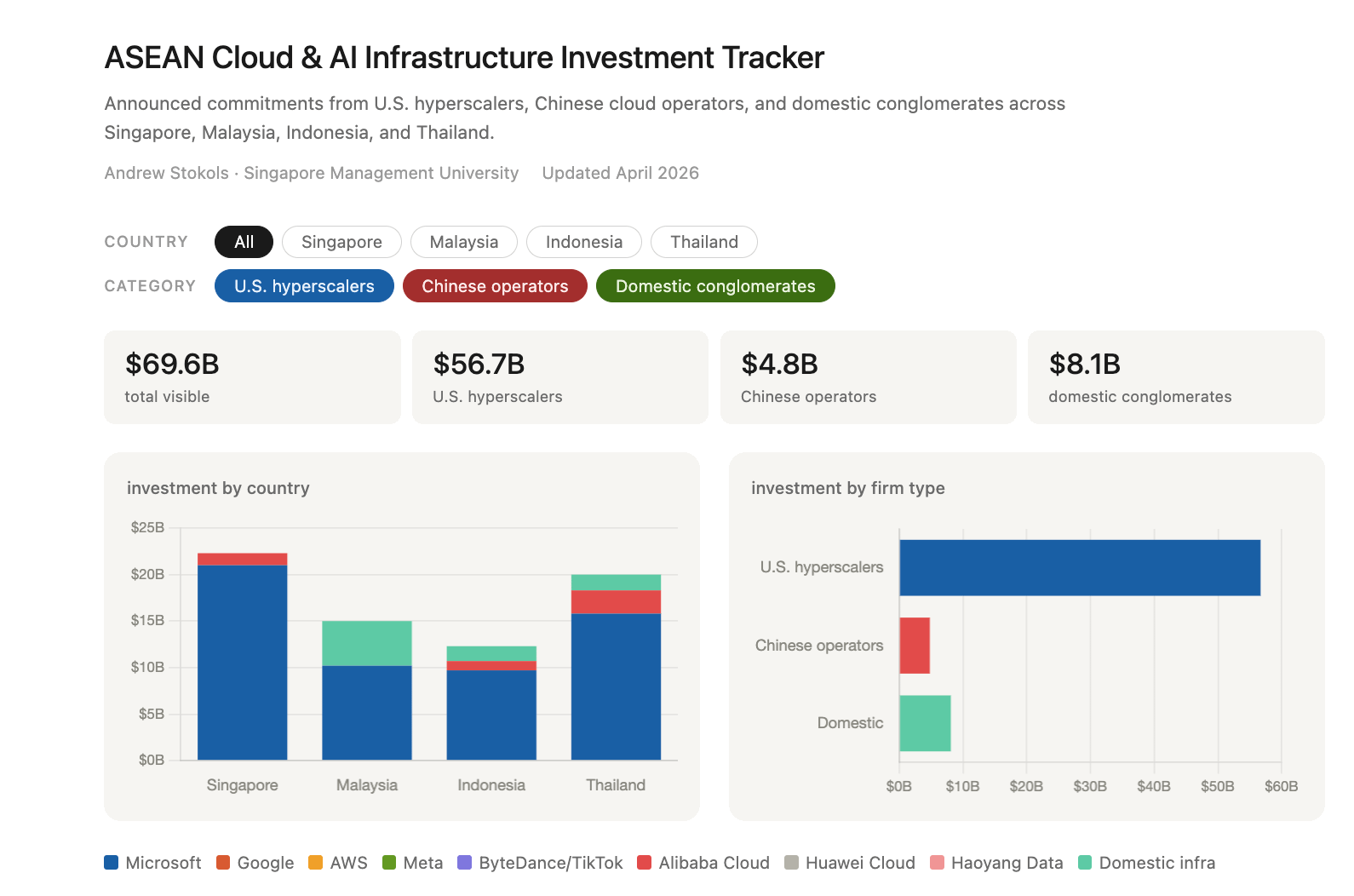
Access the ASEAN AI investment tracker here.
Alongside direct investment in infrastructure, cloud companies have generally committed to various “upskilling initiatives” in each country as a form of technology transfer. While the specifics or follow-up data on the results from these training programs are hard to come by, they do provide an imperfect metric for company’s various commitments to host country governments. As you can see, upskilling initiatives of host governments are still larger than any of those by cloud hyperscalers, but among the big cloud companies, Microsoft has been the most out front in terms of explicit skilling commitments in the region.
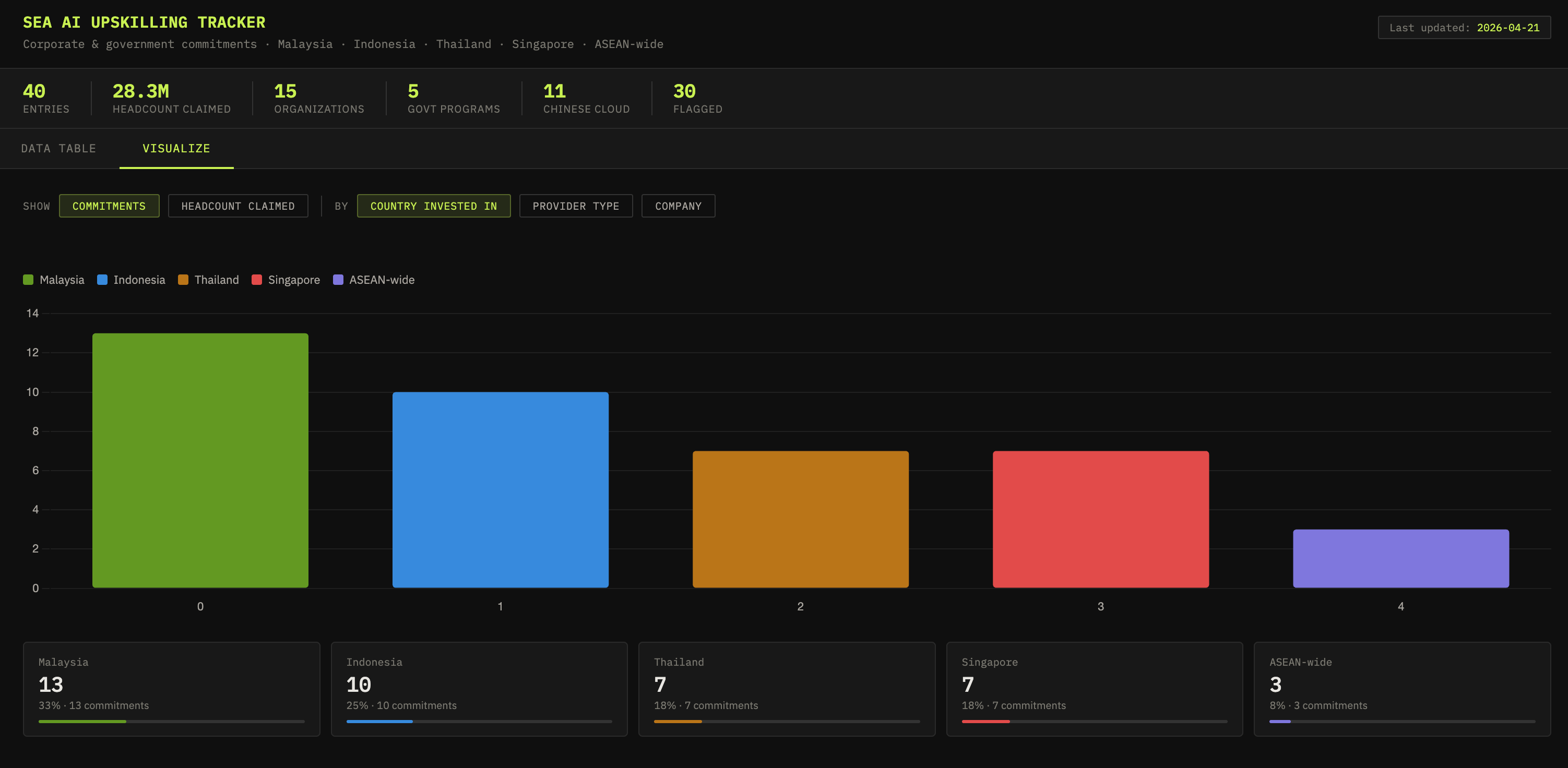
Access the “ASEAN upskilling tracker” I put together here.
The most important axis of tension in Southeast Asia's AI political economy is not East–West. It is between the interests of the states, conglomerates, and hyperscalers who are jointly constructing this infrastructure — and who all benefit from the current arrangement — and the broader populations who will live with its consequences: the energy and water demands on communities near data center clusters, the concentration of AI capability in large enterprise clients rather than SMEs and public services, and the widening gap between the region's participation in AI deployment and its capacity for AI development.
Discourses of “AI sovereignty” are invoked primarily by domestic actors (government and domestic conglomerates) with prior state connections to capture infrastructure and land rents.
Malaysia: Digital Hub of ASEAN?
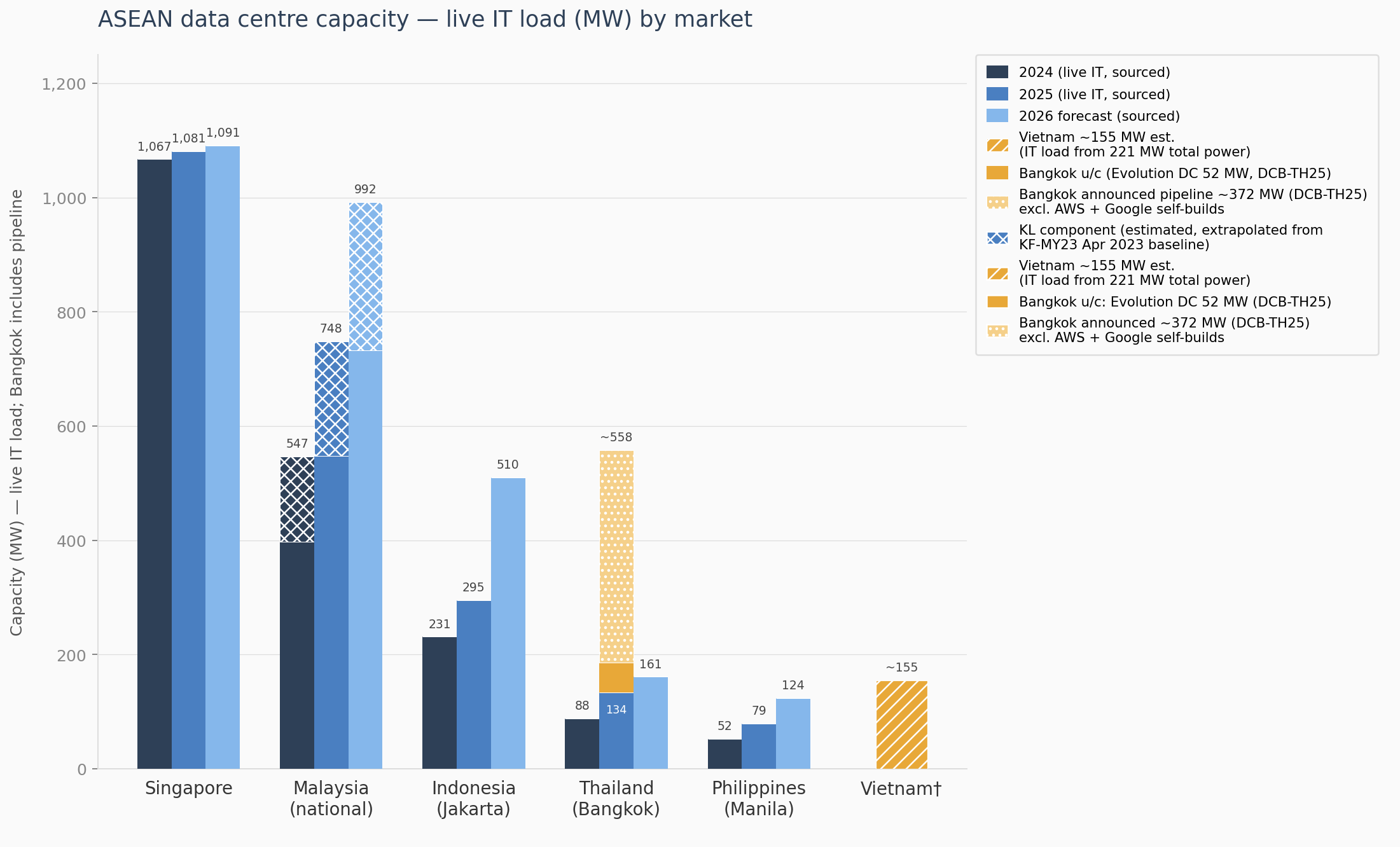
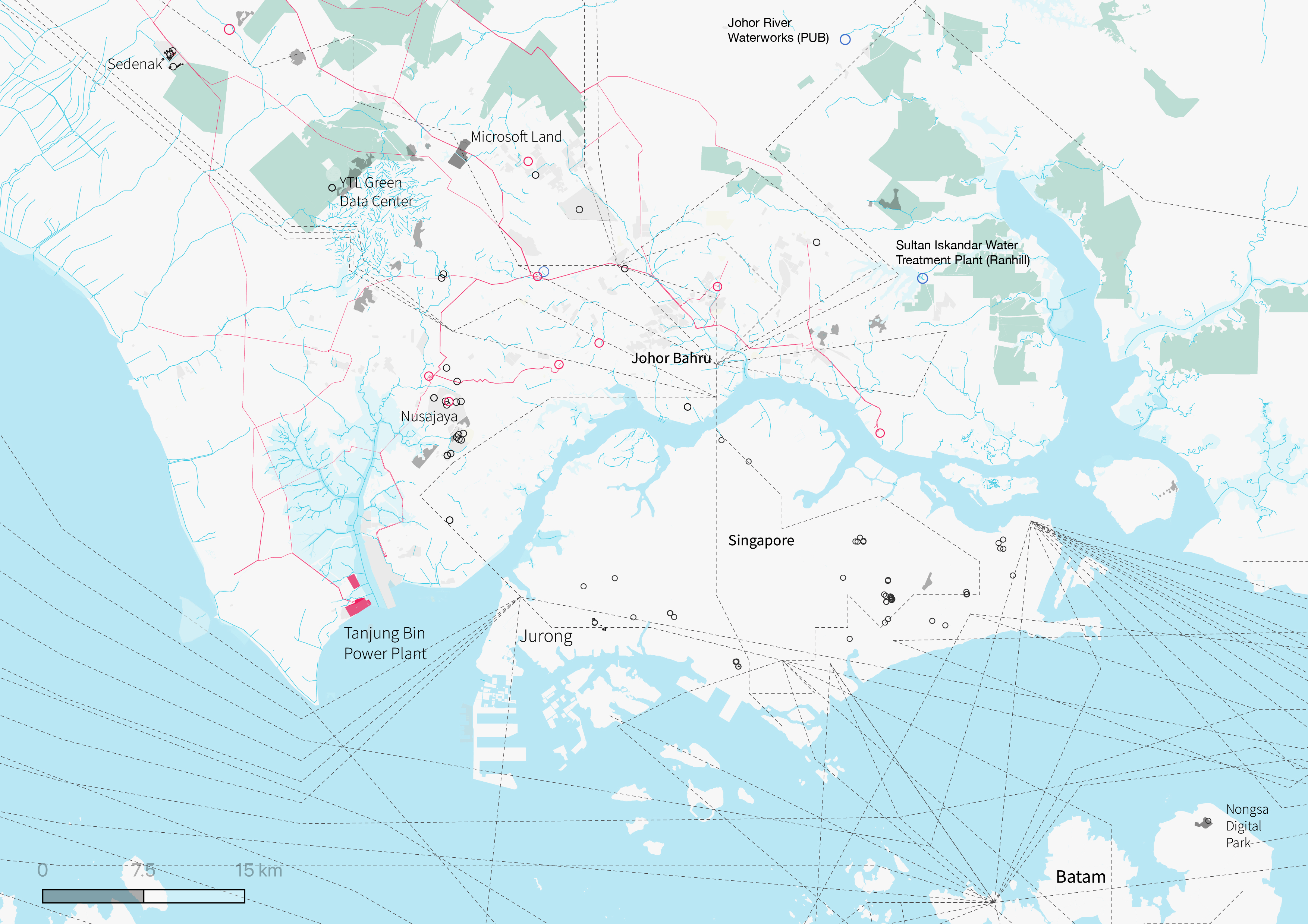
Malaysia has been laying the groundwork for digital infrastructure for some time, dating as far back to the Multimedia Supercorridor, a signature policy of Mahatir’s government in the 1990s. But Singapore’s data center moratorium, which was in place from 2019-2023, was the most significant recent catalyst that jumpstarted investment into Malaysia’s cloud infrastructure particularly in Johor, which neighbors Singapore. Since then, Malaysia has led ASEAN in data center investment. The country has aggressively courted foreign investment in cloud. With a stated intention to become ASEAN’s digital hub, Malaysia has big ambitions. But there are key questions over the legal and institutional support necessary to translate infrastructure investment into local innovation capacity. Much of the DC investment in Johor serves Singaporean or Chinese businesses, thus raising questions over whether DC investment will spillover into the domestic economy. However, some Malaysian domestic conglomerates ARE seeing immediate benefits from the AI boom in terms of capturing the increased demand for energy and water infrastructure.
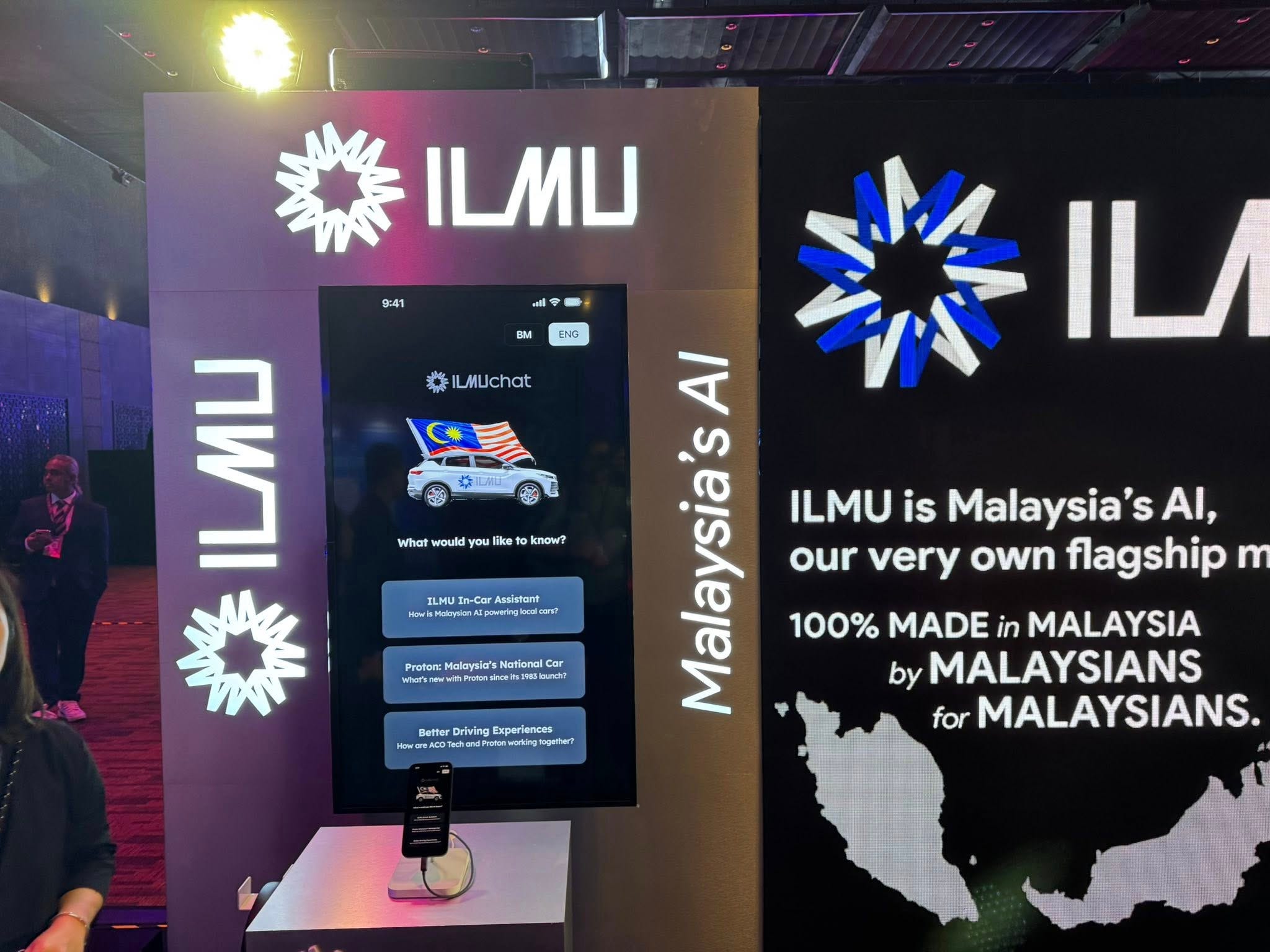
YTL was founded by the Yeoh Tiong Lay in 1956, and is one of Malaysia’s largest Chinese owned conglomerates. With interests in real estate, power, and infrastructure, YTL has relied on state patronage and stable monopolies for its diversified business interests. YTL is using its infrastructural assets to compete in the AI space. In 2025 it completed the YTL Green Power Data Center in Johor, which uses Nvidia’s high-end AI processing chips. Anticipating the crucial role of water for DC cooling, YTL bought out Ranhill, which has an exclusive concession to supply tap water in the state of Johor, in 2024. Meanwhile, YTL is also developing AI applications, such as ILMU—a local LLM trained on Malaysian languages and data and branded as “100% made in Malaysia by Malaysians for Malaysians.”2 Of course, this obscures the reliance on Lamma for open source weights—but ILMU represents a significant push for a local LLM nonetheless.
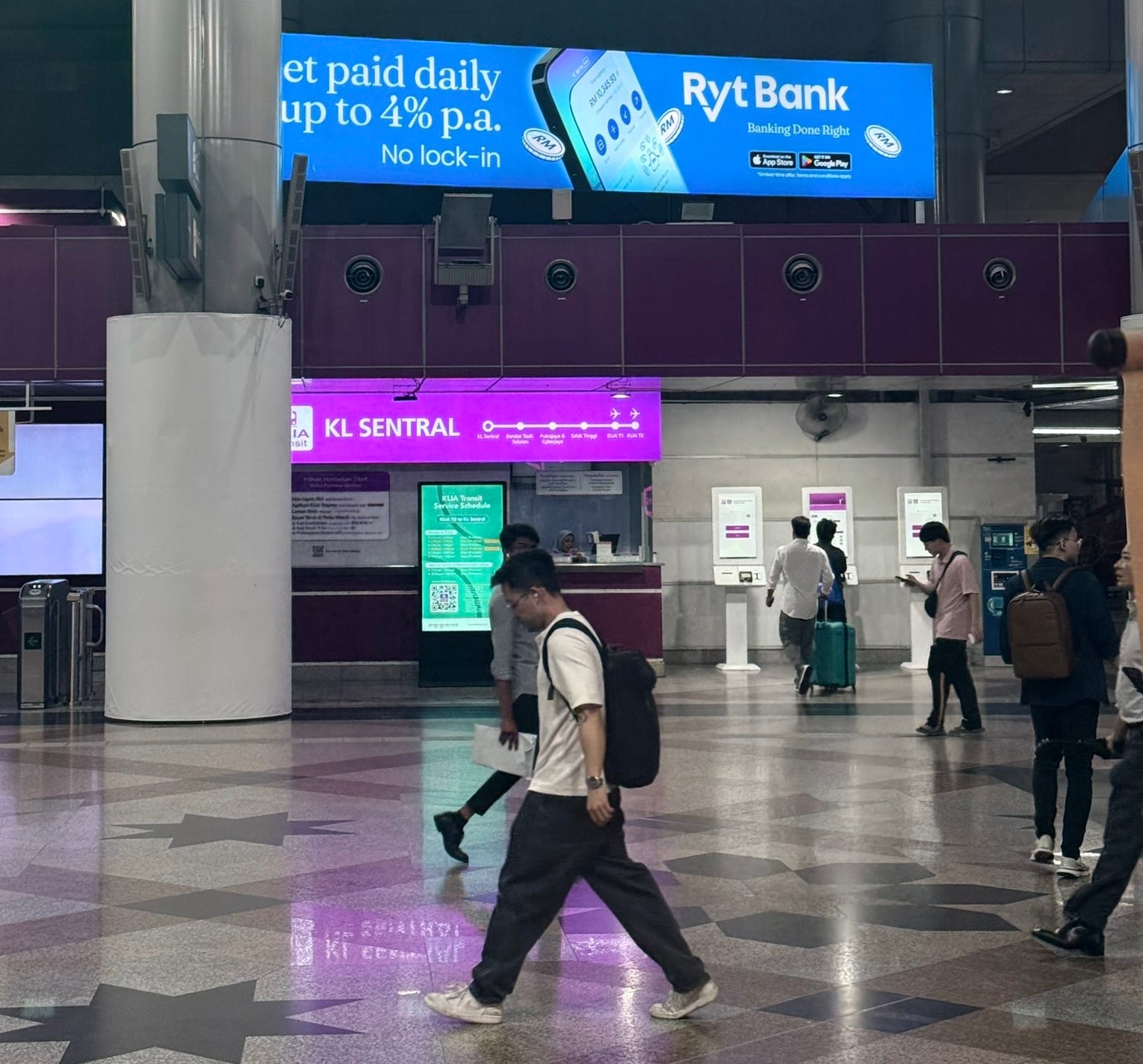
YTL is also developing Ryt Bank, an “AI-powered bank,” that is a joint venture with Singapore’s Sea corporation. Another Malaysian startup Mesalotica has developed another open source local LLM, trained on local dialects and language.3 On the KLIA train from the airport to Kuala Lumpur City Center, you’re riding on a train operated by YTL, with wifi (intermmitent) access provided through their Yes mobile network, looking at advertisements on the seat backs for Ryt Bank. This is vertical integration of telcom, infrastructure, and AI applications, Southeast Asian style.
There is definite anxiety by some that the influx of investment in cloud is not providing benefits to most Malaysians. However, an official who has worked on cloud computing for one of Malaysia’s digital agencies under the Ministry of Digital told me he thought the fear over Ai sovereignty was misplaced. “I think the more important thing is Malaysia can develop applications using cloud platforms. I don’t think the government or domestic actors will be able to provide the types of sophisticated cloud computing services that the top hyperscalers offer.” He noted that sovereignty discourses are most commonly invoked by local actors like YTL who are trying to obtain government contracts for cloud. Others also recognize that the hyperscalers and YTL are serving distinct niches but are not necessarily at odds with each other . “In general we see these firms playing their own role in Malaysia’s AI ecosystem,” an official with Malaysia’s MyDigital agency tells me. “These services drive broader demand for AI in Malaysia, so I don’t think what they’re doing competes directly with the likes of Microsoft, AWS, and Google.”

Indonesia: large market, barriers to investment
Former President Joko Widodo directed the national government in 2021 to accelerate AI capabilities, declaring: “The world today is in a ‘war’ to gain AI capabilities. The competition to control AI is comparable to the space race during the Cold War.” During the Widodo administration, the country released several high-level policy documents, including the “Making Indonesia 4.0” roadmap, the “Digital Indonesia Roadmap 2021–2024,” and the “National Strategy for Artificial Intelligence 2020–2045” (Strategi Nasional Kecerdasan Artifisial). However, Indonesia has yet to issue any binding AI regulation. The Ministry of Communication’s 2023 AI Circular offered only nonbinding guidelines, and Indonesia’s AI governance remains fragmented across the Coordinating Ministry for Economic Affairs and the Ministry of Communication and Digital Affairs (Komdigi). “In Indonesia, in the early stage, the main player was BPPT. But now Komdigi is the primary actor, followed by the private sector.” Various experts indicated the likelihood of an upcoming presidential regulation on AI, with some preferring a flexible non-binding framework given the rapidly changing nature of the technology.
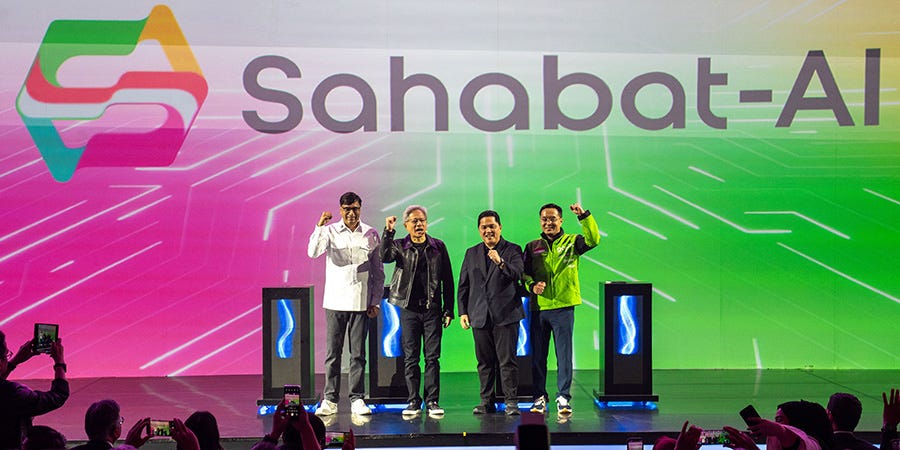
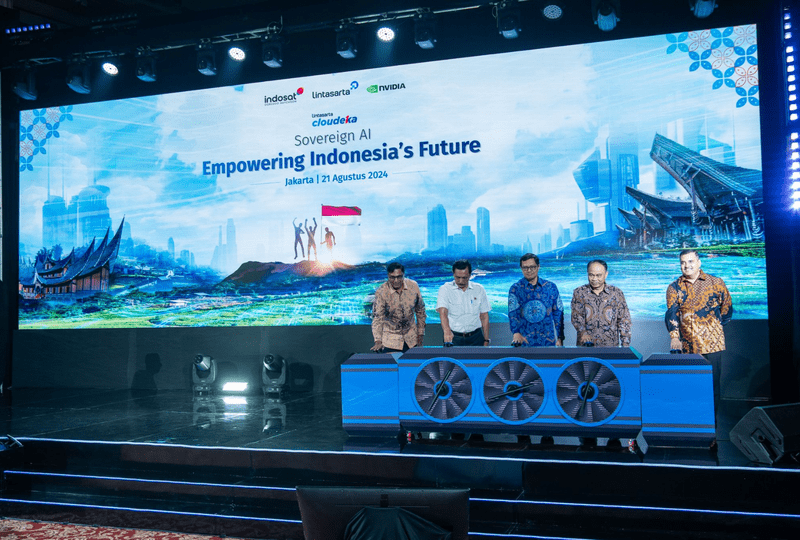
Cloud companies have begun to invest in Indonesia. In April 2024, Microsoft announced a $1.7 billion investment over four years in cloud and AI infrastructure in Indonesia, the largest in the company’s 29-year history in the country. NVIDIA and Indosat Ooredoo Hutchison followed with a $200 million partnership to construct an AI center in Surakarta in the Solo Technopark4 and billed as the country’s first sovereign AI computing facility “GPU Merdeka.”5 The NVIDIA partnership with Indosat follows a similar approach as in Malaysia: provide advanced AI chips to a local conglomerate to build out a “sovereign AI” data center based in the country and operated by local company. Of course the reliance on NVIDIA chips means its not truly “sovereign,” but it is meant to suggest a move away from relying only on the big cloud hyperscalers (whether American or Chinese) for AI applications and training capacity.
Google, AWS, Tencent Cloud, and domestic operators including DCI Indonesia, EDGE DC, and NTT Indonesia have similarly expanded. Indonesian data center operators still face legal uncertainty and higher electricity costs. Indonesia’s electricity consumption per capita stood at just 1,337 kWh in 2023 — substantially below Vietnam, Thailand, Malaysia, and Singapore — reflecting incomplete industrialization that limits electricity demand and constrains AI infrastructure build-out.
Thailand: catching up in DC investment, uncertain digital adaptation
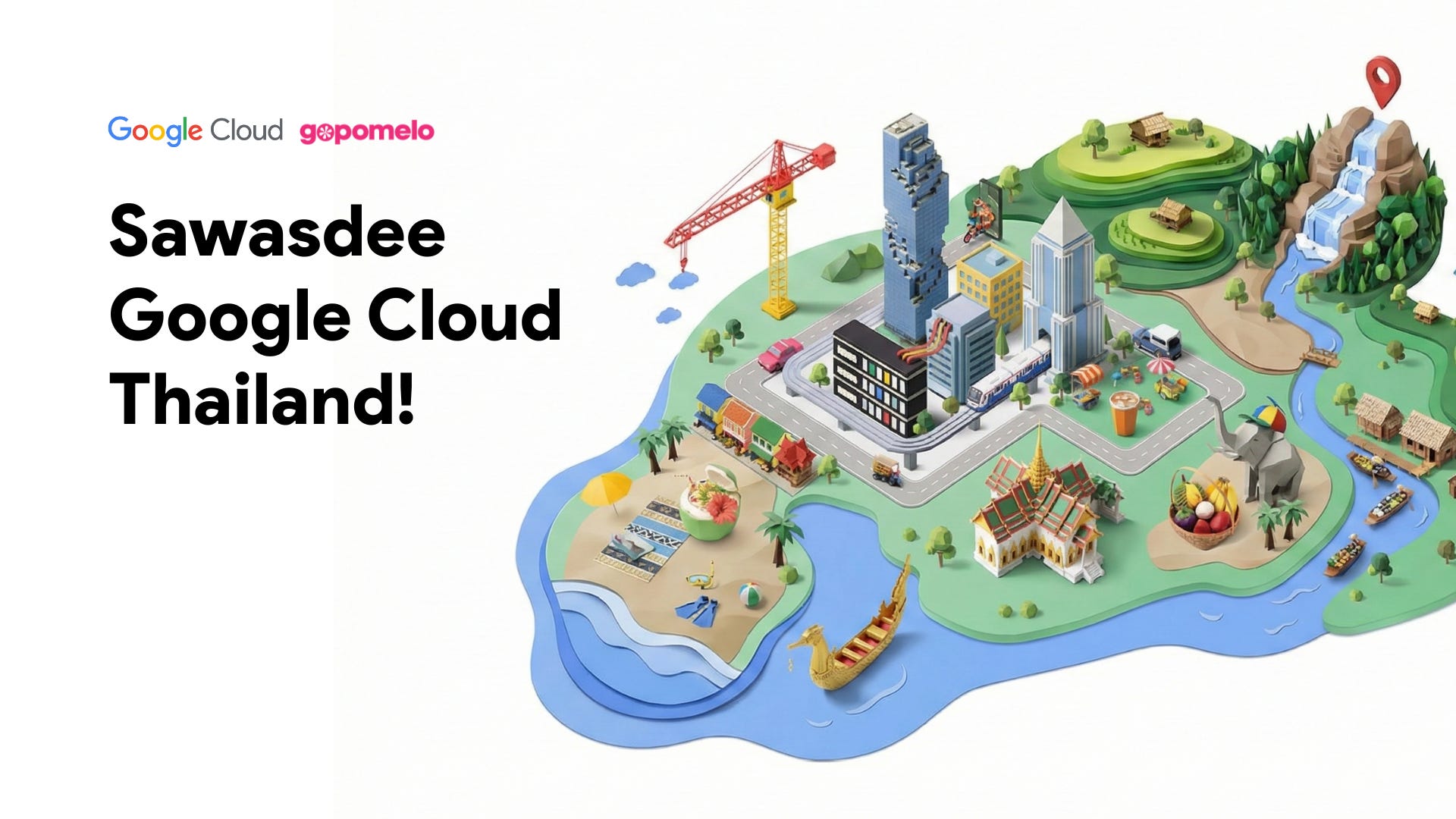
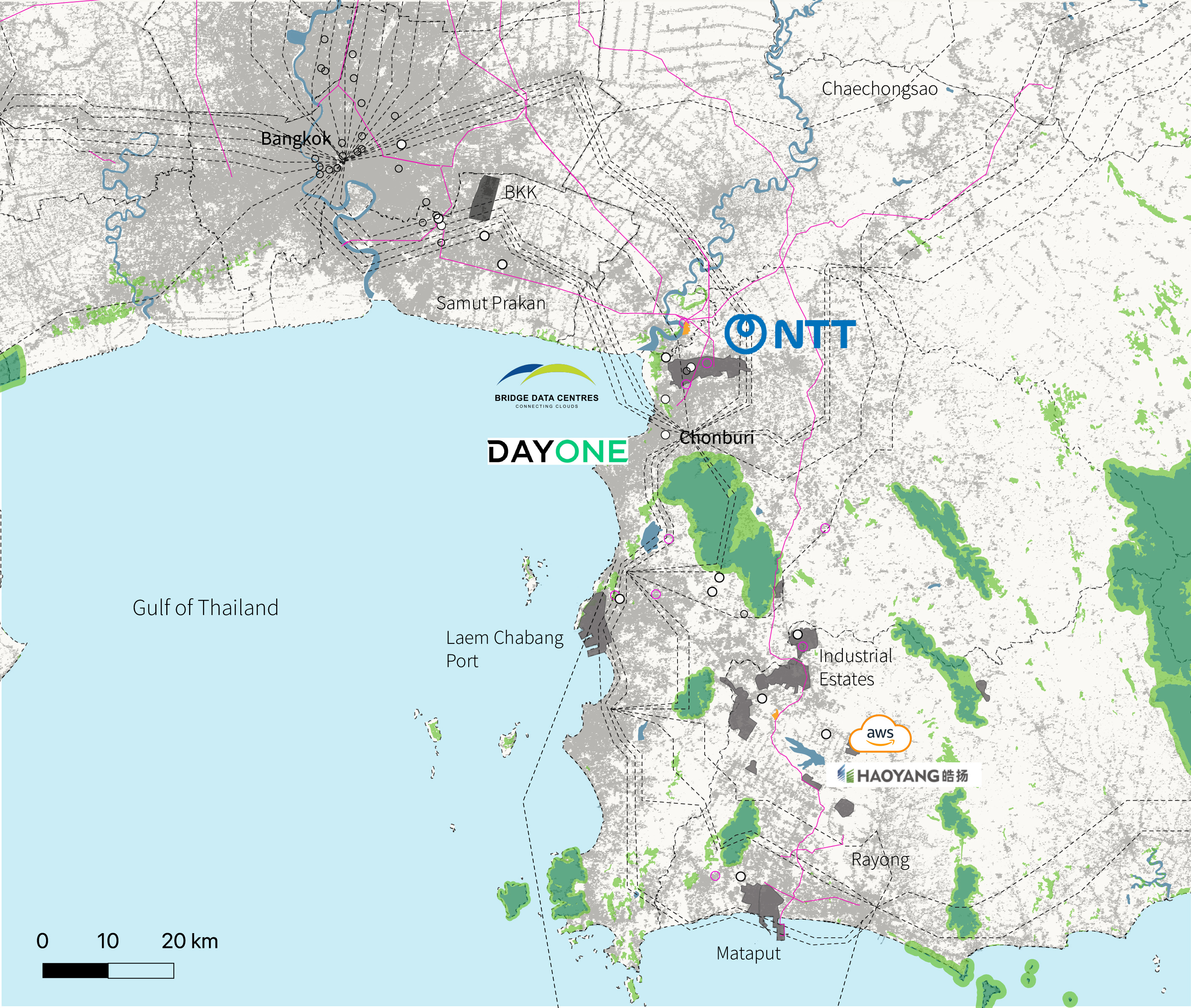
Thailand has arrived late to the regional data center boom — Singapore's 2019–2022 moratorium and Malaysia's subsequent surge came first — but it is now moving with remarkable speed. Google Cloud's Bangkok region launched in January 2026. Microsoft committed over $1B to an Azure region in March, partnering with Gulf Energy and CP Group. TikTok has pledged $8.8B over five years. Chinese operator Haoyang Data has purchased land in Rayong for a 300 MW hyperscale campus. AWS is live. Alibaba launched its second Thai data center in early 2026. Japanese telecom operator NTT has also announced new investment in Amata City Chonburi, an industrial area with a strong presence of Japanese companies.
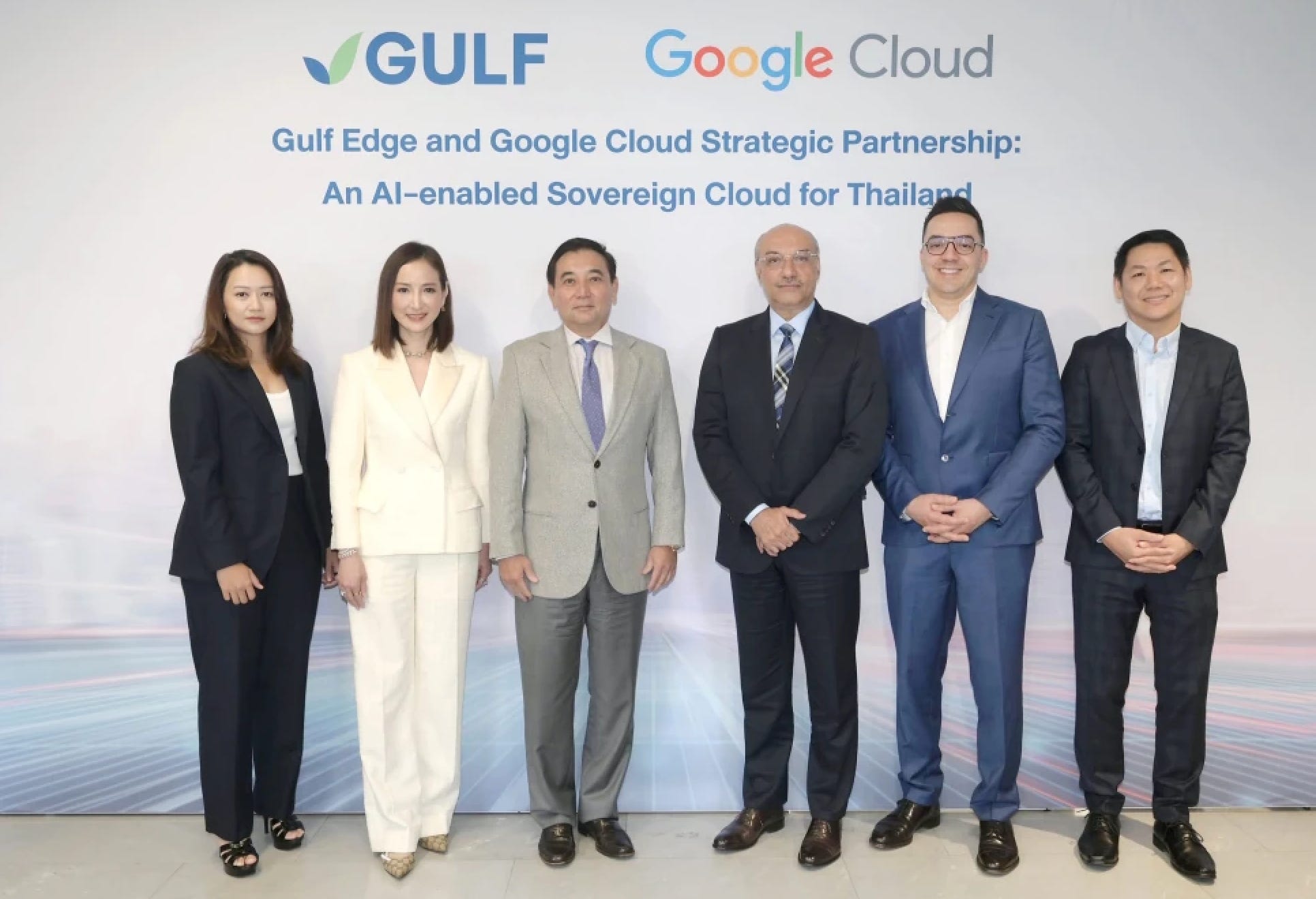
The domestic partners in these deals — Gulf Energy, True/CP Group, WHA — follow a familiar pattern: conglomerates with prior energy, real estate, and infrastructure footprints, now repositioning as critical intermediaries in the AI economy. Thai Billionaire Sarath Ratanavadi has ascended the ranks of Thailand’s rich list through his role in Gulf Energy. Gulf became an important partner of Royally owned businesses Siam Cement Group. In 2024, Gulf acquired Thailand’s second largest telecom AIS (originally founded by Thaksin Shinawatra and later sold to Singaporean investors). With his ownership of key energy infrastructure and a major telecom, Gulf is poised to capture rents and value from the growth in the digital economy.Gulf has partnered with both Microsoft and Google Cloud as a local energy and land supplier. However unlike Malaysia’s YTL and Indonesia’s Indosat, Gulf has yet to unveil any significant sovereign AI initiatives or digital applications of their own.
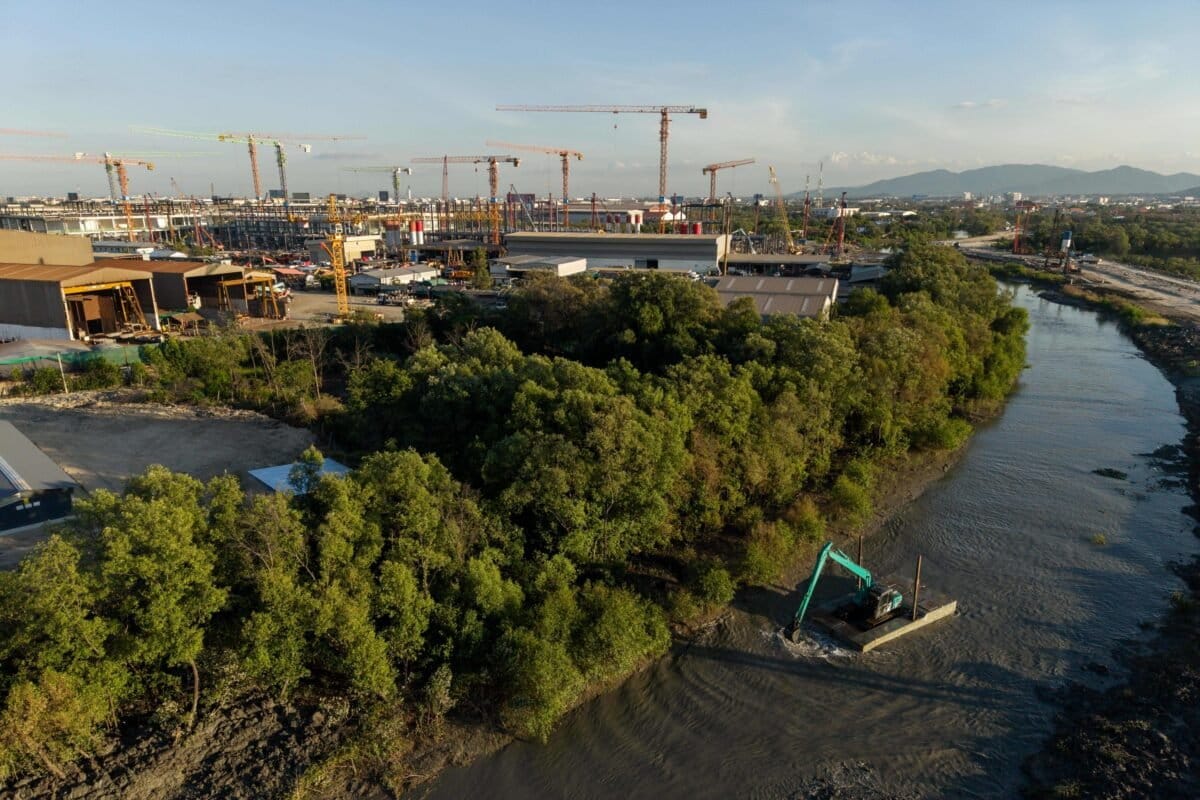
Hyperscale data center expansion has mainly come in the Samut Prakan province around Bangkok’s main airport and the Eastern Seaboard area (Chonburi, Rayong). This area was set up as a special economic zone by the Prayut government in 2017, focusing on attracting Chinese investment in electric vehicles and batteries. The area was originally developed into the country’s largest export-oriented zone through investment of Japanese manufacturers in the 1980s. With significant investments of Chinese firms BYD, CATL, Great Wall Motors, and others, Chinese EV companies are quickly transforming Thailand’s auto sector. In terms of cloud, investment has located in industrial parks near major power stations. The area also benefits from having an industrial water system, which was planned and constructed through Japanese loans over the last few decades.
Thai LLMs
Thai is a notoriously hard language to learn (I tried myself, and failed miserable despite several years of courses). It’s inconsistent alphabet system, tones make it even harder for AI models. One of the first Thai language models Typhoon was developed by SCB 10X, a venture arm under Siam Commercial Bank, one of the country’s major banks and the one owned directly the Royal Family. 6
Hillman, Jonathan E. 2021. The Digital Silk Road: China’s Quest to Wire the World and Win the Future. Harper Business; Helberg, Jacob. 2021. The Wires of War: Technology and the Global Struggle for Power. Avid Reader Press / Simon & Schuster.
https://www.ytlailabs.com/
https://mesolitica.com/
https://www.thejakartapost.com/business/2024/08/26/indosat-unveils-indonesias-first-ai-experience-center-in-surakarta.html
https://www.lintasarta.net/en/news/lintasarta-presents-gpu-merdeka-an-advanced-sovereign-ai-cloud-for-indonesia-powered-by-nvidia-ai/
https://opentyphoon.ai/